
The Flåm Railway (Flåmsbana) is one of Norway's most spectacular train journeys, descending 864 meters over just 20 kilometers through breathtaking mountain valleys, dramatic waterfalls, and steep cliffs. Whether you're a photography enthusiast, nature lover, or simply seeking an unforgettable Norwegian experience, this UNESCO World Heritage railway offers endless opportunities to capture stunning landscapes and immerse yourself in Scandinavian natural beauty. In this guide, we'll explore the best stops, photography tips, and how to make the most of your Flåm railway adventure.
The Flåm Railway: A Engineering Marvel Through the Mountains
Built in 1923, the Flåmsbana railway is one of the world's steepest standard-gauge railway lines, featuring 20 tunnels, countless hairpin turns, and gradients up to 55 per mille. The journey takes approximately 20 minutes from Flåm station to Myrdal, ascending 864 meters while winding through some of Norway's most dramatic terrain. The railway is now a major tourist attraction, with over 900,000 visitors annually, and it remains an engineering triumph that showcases Norwegian ingenuity and determination.
The best way to experience the Flåmsbana is to ride it multiple times—once from bottom to top to absorb the landscape gradually, and again from top to bottom for different perspectives. Many visitors combine their railway journey with a visit to nearby Norwegian fjord prints to bring the experience home as wall art.
Best Photo Stops and Viewpoints Along the Flåmsbana
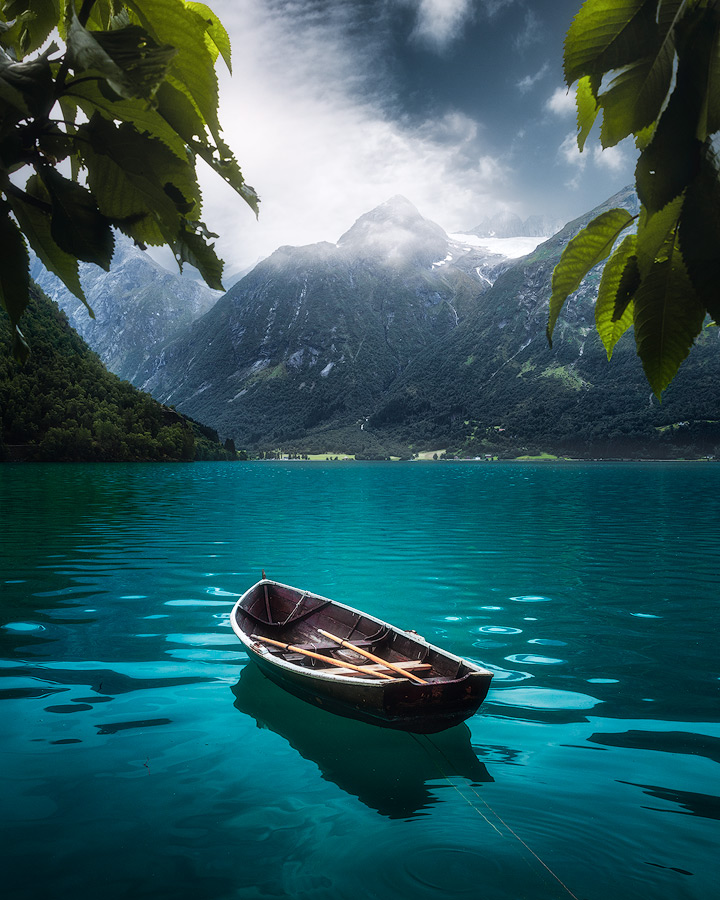
While the train itself offers incredible views, getting off at key stations allows you to capture more dramatic angles and explore the landscape on foot. Myrdal Station, at the top of the line, provides panoramic views of the Flåm Valley below—perfect for wide-angle landscape photography. The station itself is charming, with traditional Norwegian architecture that frames nicely against the mountain backdrop.
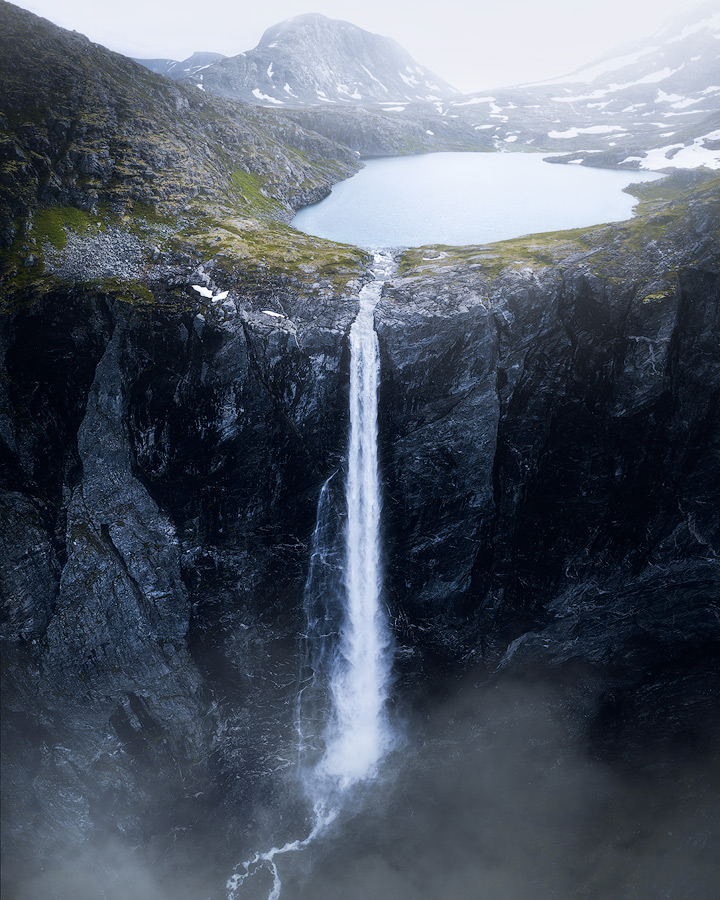
Kjosfossen Waterfall is one of the railway's most iconic stops. A 20-meter cascade tumbles directly beside the tracks, creating spray and mist that intensifies the drama of your photographs. Early morning light here is exceptional, with soft golden rays illuminating the waterfall while the valley remains partially shadowed—similar to the dramatic lighting you'll find in Lofoten wall art.
Blomheller Station sits at the steepest section of the railway, offering vertiginous views down into the valley. If you're comfortable with heights, this perspective—looking down at the train on its serpentine path—creates a powerful sense of scale and drama.
Photography Tips for the Flåm Railway Experience
The constantly changing landscape demands different camera settings and compositions. Bring a variety of lenses: a wide-angle lens (16-35mm) captures the epic scale of the valley and mountainsides, while a telephoto lens (70-200mm) allows you to isolate waterfalls and compress distant peaks. A polarizing filter reduces glare from mist and water, intensifying colors and increasing contrast—essential for capturing the canvas prints quality images you'll want to display later.
Shutter speed matters when shooting from a moving train. Use 1/250th of a second or faster to eliminate motion blur, or deliberately use slower speeds (1/30-1/60) if you want a slight sense of movement. ISO 100-400 should suffice in daylight, but don't hesitate to increase it during tunnel passages where light dims suddenly.
Composition tip: Use the railway tracks as leading lines in your foreground, guiding the viewer's eye through the frame toward distant mountains. The serpentine curves of the tracks create natural S-curves that add dynamic movement to static photography.
Best Time to Visit: Seasons and Lighting
Summer (June-August) offers the longest daylight hours and most stable weather, but attracts the largest crowds. Tourist trains run every 1-2 hours, so you'll share your experience with many others. However, the green valleys and clear skies create postcard-perfect images ideal for Northern Lights prints collections and landscape portfolios.
Autumn (September-October) brings dramatic lighting, fewer crowds, and the golden-red colors that make Norwegian landscapes internationally famous. The low angle of the sun in fall creates deep shadows and highlights that add three-dimensionality to your photographs. This is arguably the best season for serious photographers.
Winter (November-February) is challenging due to snow, fog, and limited daylight, but those willing to brave the cold are rewarded with a transformed landscape—snow-laden evergreens, frozen waterfalls, and an almost otherworldly atmosphere. Spring (April-May) offers emerging greenery and rushing snowmelt waterfalls, though weather remains unpredictable.
Combining Your Railway Adventure with Flåm Village Exploration
The village of Flåm sits at the base of the railway, offering excellent accommodation, restaurants, and access to nearby fjord hiking. The Flåm Railway Museum (located at the station) tells the story of this engineering marvel and provides context for your photographs. Most visitors spend 1-3 days in the area, taking the railway multiple times and exploring surrounding hiking trails.
Nearby Sognefjord—Norway's longest and deepest fjord—provides additional landscape opportunities. Many visitors combine their Flåm railway experience with fjord kayaking or hiking to create a comprehensive Norwegian adventure. Once you've explored these landscapes, aluminum prints of your favorite compositions bring the drama and scale of the experience into your home.
Practical Details: How to Get There and What to Bring
Flåm is accessible by car (approximately 5 hours from Oslo via E6/E39) or by taking the scenic train from Oslo to Myrdal, then down the Flåmsbana. The railway operates year-round with varying frequencies—summer trains run hourly, while winter schedules are less frequent. Book tickets online in advance during peak season to guarantee your preferred departure time.
Pack layers: mountain weather changes rapidly, and the altitude and wind can make it significantly cooler than temperatures in the valley below. Bring waterproof gear, as mist and waterfall spray can soak cameras and clothing. A sturdy tripod is useful for unattended long-exposure shots if you stop at viewpoints, and a weatherproof camera bag protects your gear during outdoor photography sessions.
If you're planning to purchase wall art to commemorate your experience, browse our full collection of Norway landscape prints featuring Flåm, fjords, and surrounding regions. Whether you choose canvas, aluminum, or acrylic, fine art prints capture the essence of your Norwegian adventure in a way that photographs alone cannot convey.
Bringing Home Your Flåm Experience: Photography as Wall Art
The Flåm Railway generates some of the most compelling landscape photographs Norway has to offer. Rather than letting your favorite images sit in a digital folder, consider transforming them into professional wall art. The dramatic scale and color of Norwegian landscapes demand large formats—60x80cm or larger—to truly communicate the grandeur of what you witnessed.
Whether you print your own photographs or display work by professional Norwegian photographers, your home can reflect the wild beauty and engineering brilliance of the Flåmsbana experience. Every time you look at your wall art, you'll be transported back to those alpine valleys, cascading waterfalls, and hairpin turns that make this journey unforgettable.
The Flåm Railway isn't just a tourist attraction—it's a journey through time, geology, and human achievement. From the moment your train departs Flåm station until you crest the final mountain pass at Myrdal, you're witnessing one of the world's great railway experiences, and every moment deserves to be preserved.
