
Perched 984 meters above the Lysefjord, Kjerag is one of Norway's most iconic hiking destinations and a photographer's paradise. This dramatic mountain plateau offers some of the most breathtaking views in Scandinavia, with sheer cliff faces dropping straight into crystalline fjord waters. Whether you're an adventure seeker or a landscape photographer, Kjerag delivers unforgettable experiences that will transform your understanding of Norway's raw natural power.
In this guide, I'll share everything you need to know about hiking Kjerag, the best times to visit, photography tips, and how to bring this dramatic landscape into your home with stunning aluminum prints.
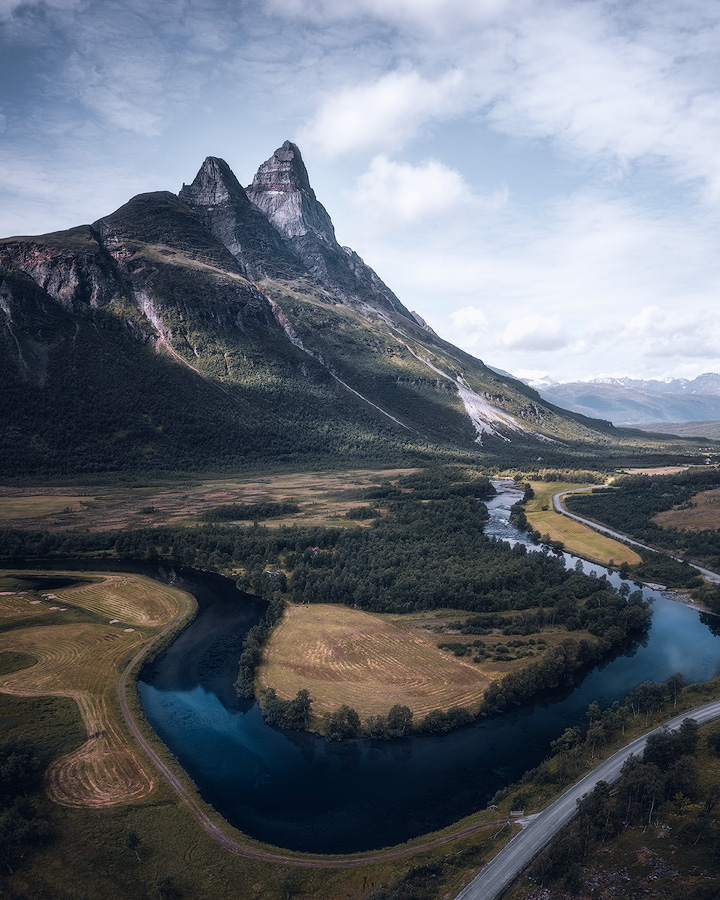
The Kjerag Hike: Difficulty and Details
The Kjerag hike is a challenging 10-kilometer round trip that takes 5-7 hours depending on fitness level and weather. Starting from the town of Lysebotn (about 50 km from Stavanger), the trail climbs 900 meters with steep sections and loose terrain. The final approach to the summit is exposed—absolutely breathtaking, but not for those afraid of heights. The reward is worth every step: standing at the edge of that precipice, gazing out over the Lysefjord below, creates an almost surreal sense of perspective.
Best hiking season runs from June through September, when snow has melted and weather is most stable. July and August offer the most reliable conditions, though these months also bring the most crowds. For photographers seeking solitude, June and September provide excellent light with fewer visitors.
Photography at Kjerag: Capturing the Drama
Kjerag is a photographer's dream location. The dramatic cliff faces, deep fjord waters, and expansive sky create natural composition lines that guide the eye. Here are the essential photography tips:
Use a wide-angle lens (16-35mm) to capture the scale of the landscape. The cliff-to-fjord drop is so vast that wide angles are essential for conveying the true sense of proportion. Position yourself with interesting foreground elements—moss-covered rocks, hardy mountain vegetation—to add depth.
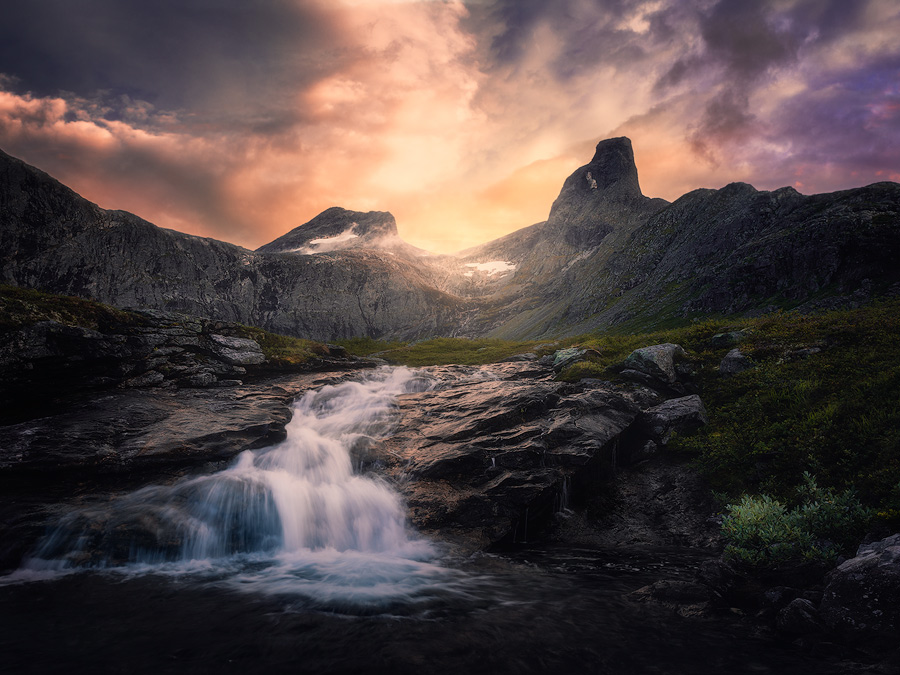
Golden hour is magical. The soft, warm light of sunrise and sunset transforms the cliff faces into glowing walls of red and gold. If possible, hike up early and stay through sunset. The colors reflecting off the fjord water are absolutely stunning.
Shoot in various weather conditions. Overcast days reveal texture in the rock and water, while clear days offer dramatic contrast. Mist rolling through the fjord creates moody, atmospheric shots that feel almost ethereal.
Safety and Preparation
Kjerag demands respect. The hike involves exposed sections with serious drop-offs, and weather can change rapidly in the mountains. Always check forecasts before departing. Wear sturdy hiking boots with good grip—loose rock is common. Bring plenty of water (2-3 liters), high-calorie snacks, and a first-aid kit. Consider a helmet for the exposed sections, especially in windy conditions.
The trail is well-marked, but a GPS device or offline map is recommended. Start early to ensure you summit with enough daylight to descend safely. Never attempt this hike in poor visibility or bad weather.
Bringing Kjerag Into Your Home
After experiencing Kjerag in person, you'll want to preserve that memory in your living space. Large-format canvas prints of the Lysefjord and cliff faces work beautifully as dramatic focal points in modern or minimalist interiors. The cool blues and grays of the landscape complement contemporary design perfectly.
For a bolder statement, consider aluminum prints of the sunrise at Kjerag. The metallic finish amplifies the luminosity of the golden light and adds sophistication to any room. These high-end prints are perfect for those who want their Norway landscape prints to command attention.
Getting There and When to Visit
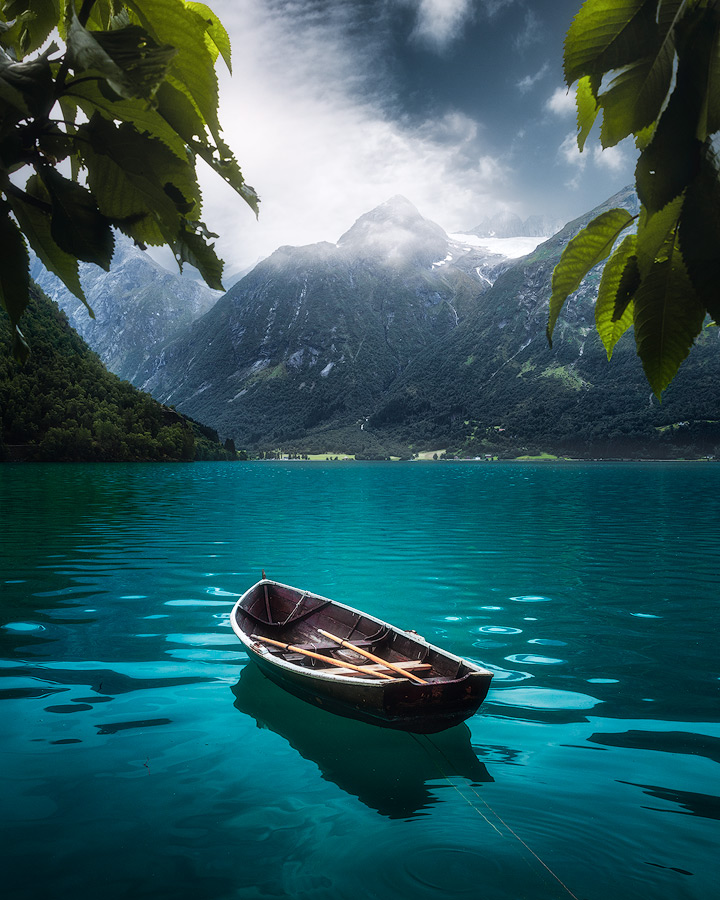
Kjerag is accessible from Stavanger, Norway's fourth-largest city. The drive to Lysebotn (the trailhead) takes about 1.5 hours from Stavanger center. An alternative approach is the Kjerag by boat option, which departs from Tau and offers a scenic boat ride into Lysefjord before the hike—though this requires booking in advance.
Summer (June-August) is peak season but brings crowds and higher temperatures. Spring (May-June) and autumn (September-October) offer fewer visitors and beautiful light. Winter visits are possible for experienced mountaineers with proper gear, but most visitors should stick to summer months.
Beyond Kjerag: Exploring the Region
If you're visiting Kjerag, consider combining it with other nearby attractions. Preikestolen (Pulpit Rock) is about 90 minutes away and offers similar cliff-over-fjord drama but with a less challenging hike. Flørli, another dramatic waterfall-fed valley, is also nearby. The entire Lysefjord region is packed with hiking opportunities—spend several days exploring if you can.
Consider staying in Stavanger and using it as a base for exploring multiple Norwegian fjord prints-worthy locations in the region. Stavanger itself has a charming harbor, cobbled streets, and excellent restaurants showcasing Norwegian cuisine.
Conclusion: Kjerag Awaits
Kjerag is more than just a hike—it's a transformative experience that reconnects you with the raw power of nature. The combination of physical challenge, visual drama, and spiritual elevation makes it unforgettable. Whether you're standing at the cliff edge or admiring photographs of it on your wall, Kjerag represents the essence of Norway's wild, untamed beauty.
Ready to experience Kjerag in person? Begin planning your summer adventure now. And when you return home with hundreds of photos, remember that the best views deserve proper display. Explore our collection of Lofoten wall art and other Norwegian landscape prints to find pieces that resonate with your Kjerag experience.
