
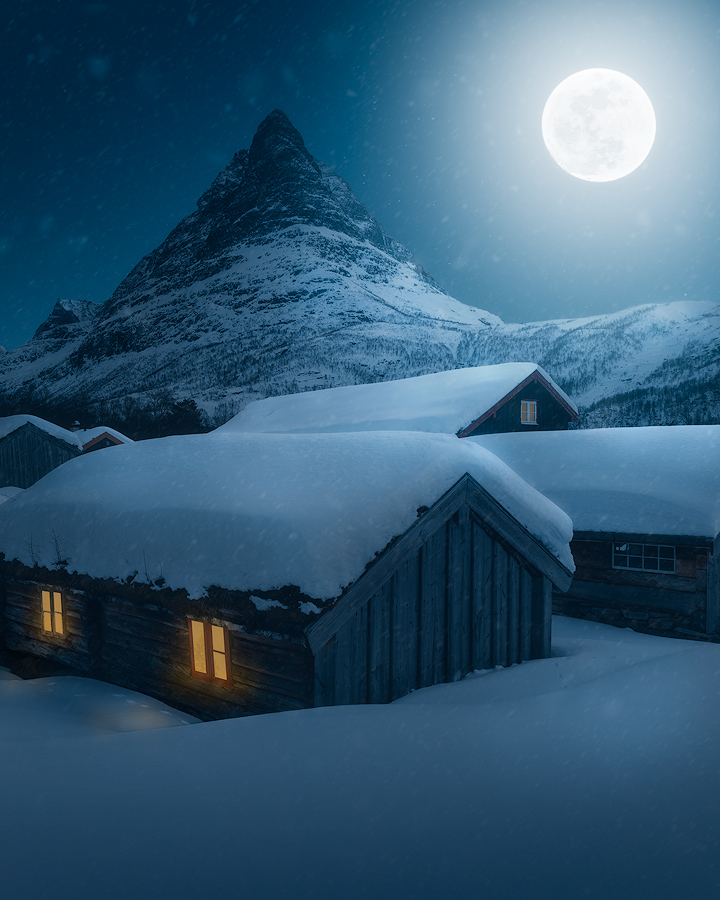
Norway in winter is a realm of quiet magic. The landscape transforms into a monochrome wonderland of snow-draped peaks, frozen waterfalls, and ink-dark fjords that reflect the pale light of a low sun. For photographers, this is the season of dreams — a time when the aurora dances overhead, the blue hour lasts for what feels like forever, and every frame tells a story of cold, beauty, and solitude.
Whether you're planning a photography trip or looking for the perfect winter landscape to hang on your wall, this guide covers everything you need to know about capturing and celebrating Norway's most dramatic season.
Why Norway in Winter Is a Photographer's Paradise
Winter in Norway is unlike anywhere else on Earth. From late November through February, large parts of the country sit in or near the polar night, where the sun barely rises above the horizon — or doesn't rise at all above the Arctic Circle. This creates extended periods of blue and golden light that photographers normally only get for minutes at a time.
The quality of light is extraordinary. Soft, diffused light bathes the snow in pastel tones of pink, violet, and blue. Shadows stretch impossibly long. And when the clouds clear after a snowfall, the landscape glows with a pristine, almost unreal brightness that makes every scene feel cinematic.
Then there's the aurora borealis — the Northern Lights. From October through March, the long, dark nights of northern Norway are among the best places on the planet to witness and photograph this natural phenomenon. Tromsø, the Lofoten Islands, and the Vesterålen archipelago are all prime aurora-hunting territory, offering dark skies and dramatic foregrounds.
Essential Winter Photography Tips for Norway
Shooting in Norwegian winter conditions demands preparation. Temperatures can drop well below -20°C in the interior, and coastal winds can make it feel even colder. Here's what you need to know:
Protect your gear. Cold drains batteries fast. Carry spares in inner pockets close to your body, and let your camera acclimatize gradually when moving between warmth and cold to avoid condensation. A weather-sealed camera and lens are strongly recommended.
Master exposure. Snow is bright — very bright. Your camera's meter will try to underexpose it to grey. Use exposure compensation of +1 to +2 stops, or shoot in manual mode and check your histogram frequently. Shooting in RAW gives you the flexibility to recover highlights and shadows later.
Embrace the blue hour. In northern Norway, the blue hour can last for hours rather than minutes. This is when the snow takes on deep, moody blue tones and the landscape feels otherworldly. Plan your shoots around these extended periods of soft light for truly unique images.
Use a tripod. Low light means long exposures. A sturdy, carbon fibre tripod that won't sink into deep snow is essential. If your hands are cold and your tripod is wobbly, your shots will suffer.

The Best Locations for Winter Photography in Norway
Norway offers an incredible range of winter photography locations, each with its own character:
Lofoten Islands. Dramatic, jagged peaks rising straight from the sea, dusted with snow and reflected in calm fjord waters. The fishing villages with their red rorbu cabins provide perfect foreground interest. For those who fall in love with this archipelago, Lofoten wall art brings that same drama into your living space.
Tromsø and the Arctic North. The gateway to the Arctic, Tromsø offers easy access to aurora photography, coastal mountain scenery, and fjord landscapes that look like they belong in a fairytale. Pair this region with Northern Lights prints for a home gallery that celebrates the arctic sky.
Geirangerfjord in Winter. While most visitors come in summer, Geirangerfjord in winter is spectacular. Snow clings to the cliffs, the waterfalls partially freeze, and the silence is profound. The deep blues and whites of the fjord translate beautifully to Norwegian fjord prints on your wall.
Jotunheimen National Park. Norway's premier mountain region becomes a vast, silent wilderness of white. Frozen lakes, alpine peaks, and untouched valleys make it a dream for backcountry photographers willing to earn their shots.
From Camera to Wall: Bringing Winter Norway Home
There's something deeply satisfying about transforming a frozen, ephemeral moment into a permanent piece of art for your home. Norwegian winter photography works especially well as wall art because the palette — whites, blues, greys, and the occasional burst of aurora green — complements modern, minimalist Scandinavian interior design beautifully.
When choosing how to print your winter images, consider the medium carefully. Canvas prints add warmth and texture, making them ideal for living rooms and bedrooms where you want a softer, more inviting feel. The fabric absorbs light rather than reflecting it, which works particularly well with the muted tones of winter snow scenes.
For a more contemporary, high-impact look, aluminum prints offer vivid colours, sharp detail, and a sleek finish that makes the image almost glow. They're also moisture-resistant, making them suitable for kitchens and bathrooms where canvas might be less ideal.
Whatever your choice, the key is scale. A large winter landscape print — at least 80cm wide — creates a genuine window effect, making the viewer feel like they're standing on a Norwegian ridge overlooking a frozen fjord. Browse the full range of Norway landscape prints to find the piece that transforms your space.
Planning Your Winter Photography Trip to Norway
If you're inspired to photograph Norway in winter yourself, here are some practical tips:
Timing. January and February offer the best combination of snow cover and returning daylight. December is magical but very dark in the north. March brings longer days and milder temperatures, ideal for those who find deep winter too harsh.
Transport. Renting a car gives you the most flexibility, but winter driving in Norway requires experience with snow and ice. Many roads close entirely, and ferry schedules are reduced. Always check road conditions at vegvesen.no before setting out.
Clothing. Layering is essential. A merino wool base layer, insulated mid-layer, and a windproof, waterproof outer shell will keep you comfortable during long shooting sessions. Don't forget warm boots, gloves that allow dexterity for camera controls, and a hat.
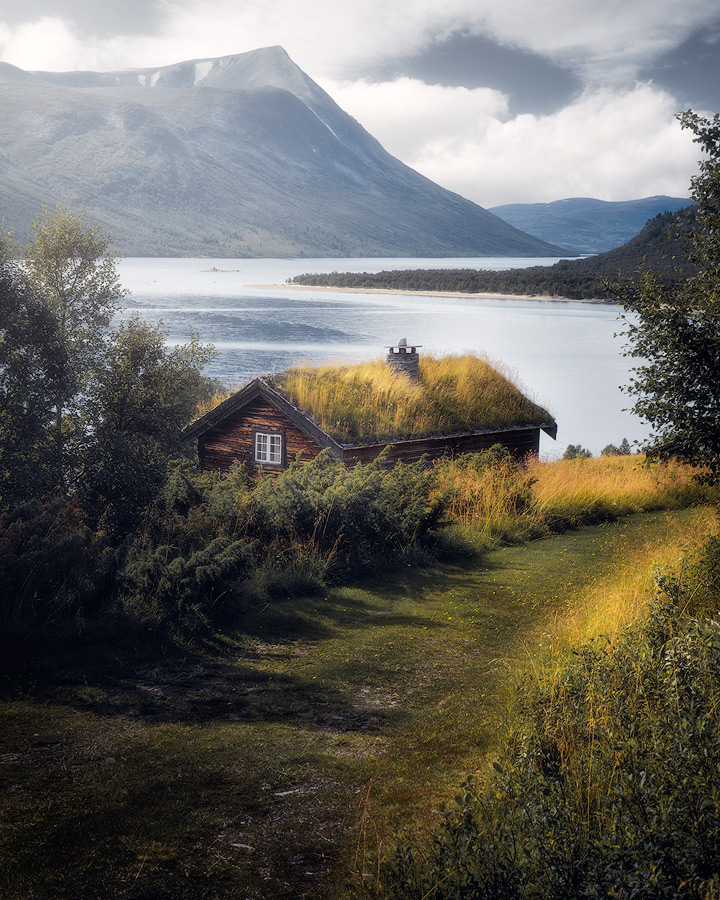
Accommodation. Staying in a rorbu — a traditional Norwegian fisherman's cabin — gives you immediate access to photogenic scenes right outside your door. Many in Lofoten and the northern coast cater specifically to photographers and aurora chasers.
Conclusion
Norway in winter is not a season to endure but a season to celebrate. The light, the silence, the snow — they combine to create a landscape that feels both ancient and alive. Whether you're behind the lens or choosing a print for your wall, the Norwegian winter has a power that stays with you long after the snow has melted.
Ready to bring the magic of a Norwegian winter into your home? Explore our curated collection of Norway landscape prints and find the perfect piece for your space. Every print is crafted with museum-quality materials and shipped free across Europe.
