
Norway in winter transforms into a magical wonderland of snow-covered mountains, frozen fjords, and dancing Northern Lights. While many travelers reserve their Norwegian adventures for summer, winter offers a uniquely dramatic landscape that rewards photographers and nature lovers with extraordinary beauty and solitude. This comprehensive guide will help you plan the perfect winter photography trip to Norway, discover the best destinations, and capture stunning images for your collection.
When to Visit: Norway's Winter Photography Season
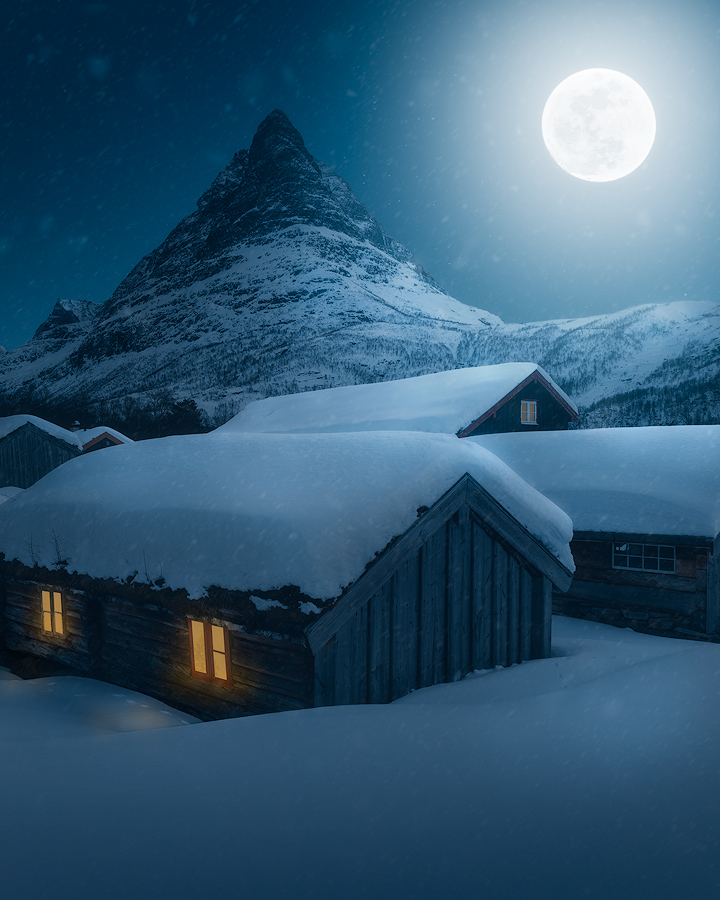
Norway's winter season runs from November through March, with each month offering distinct advantages for photographers and travelers. December and January experience the longest nights, providing up to 20 hours of darkness in northern regions—ideal for Northern Lights prints and aurora photography. However, snow conditions are most reliable from January through February in most areas. If you prefer longer daylight hours for landscape photography, visit in late October, November, or early March. Late November through early December also offers excellent conditions with moderate snow coverage and returning twilight hours. The winter light during these months is particularly magical, with low-angle sun rays creating dramatic shadows and golden tones perfect for capturing moody landscape images.
Best Winter Destinations for Photographers
Svalbard, located in the Arctic north, offers the most consistent Northern Lights displays and extreme winter photography opportunities. Tromsø in northern Norway is famous for aurora viewing and has excellent infrastructure for photographers. The Lofoten Islands provide dramatic snow-covered peaks rising directly from the sea, creating some of Norway's most photogenic winter scenes. Lofoten wall art from winter captures this stunning contrast beautifully. The mountain regions near Lillehammer and Hafjell offer pristine alpine scenery, frozen waterfalls, and excellent skiing conditions. The Norwegian coast, particularly around Tromsø and Alta, provides stunning seascapes with snow and ice formations that few destinations can match.
Capturing the Northern Lights: Aurora Photography Essentials
The Northern Lights are the crown jewel of winter photography in Norway, and achieving great aurora photos requires understanding both technique and location. You'll need a camera capable of manual settings, a wide-angle lens (14-24mm is ideal), and a sturdy tripod. Set your ISO between 1600-3200, aperture to f/2.8 or wider, and shutter speed to 15-25 seconds. Position yourself away from light pollution, which means heading north to areas like Tromsø or Svalbard. Clear skies are essential—cloudy nights won't show the lights. Consider staying in Northern Lights prints locations for 7-10 days to increase your chances of witnessing the aurora, as weather and solar activity can be unpredictable. The best aurora displays typically occur between 10 PM and 3 AM, so plan for late nights and bring plenty of warm clothing and hot beverages.
Winter Landscape Photography: Mountains, Fjords, and Valleys
Beyond the aurora, Norway's winter landscapes offer extraordinary photographic opportunities. Snow transforms the dramatic Norwegian fjord prints and mountainsides into pristine canvases of light and shadow. Frozen waterfalls create stunning vertical compositions, particularly when photographed with the blue ice contrasting against white snow. The low winter sun creates extended golden hours and rich, saturated colors in the sky. Photograph the Lofoten Islands for jagged peaks rising from snowy shores, Tromsø area for coastal mountains and dramatic seascapes, and inland valleys like Romsdalen for granite cliffs transformed by winter conditions. Include scale references like small cabins or hiking figures to emphasize the grandeur of the landscape. Winter conditions can be harsh, so protect your camera from moisture and cold, and bring extra batteries as cold temperatures drain them rapidly.
Practical Winter Travel Tips for Photographers
Traveling in Norwegian winter requires careful planning and proper preparation. Rent a vehicle with winter tires or hire a driver familiar with snow conditions. Roads can be treacherous, particularly in mountain passes and coastal areas. Pack multiple layers of warm clothing, including insulated boots, waterproof gloves designed for photography, and a warm hat. Bring chemical hand warmers to keep your hands functional during long photography sessions. Book accommodations in advance, as popular photography locations fill quickly during winter months. Consider booking guided photo tours with local photographers who know the best locations and conditions. Purchase comprehensive travel insurance that covers winter weather-related delays. Keep your camera and lenses dry by using protective covers and allowing them to warm gradually when moving between cold outdoor conditions and warm indoor spaces to prevent condensation.

Displaying Your Winter Photography: Canvas and Print Options
Winter photography creates stunning imagery that deserves to be displayed in your home. Canvas prints bring the texture and drama of winter landscapes to your walls, while aluminum prints emphasize the crisp details and icy tones that define winter scenes. Large format prints (50x70 cm or larger) work beautifully for panoramic winter landscapes, allowing the viewer to appreciate the scale and grandeur of the Norwegian mountains and fjords. Consider placing winter photography in cool-toned rooms to create a cohesive aesthetic, or use dramatic winter prints to add contrast to warmer spaces. Our complete collection of Norway landscape prints includes seasonal images perfect for transforming your space into a window overlooking Norwegian wilderness.
Conclusion: Plan Your Winter Photography Adventure
Winter in Norway offers photographers a truly unique opportunity to capture some of the world's most dramatic landscapes and natural phenomena. From the enchanting Northern Lights to snow-draped fjords and frozen mountains, every moment presents photographic possibilities. The key is thorough planning, proper preparation, and patience. Visit during peak winter months (December-February), position yourself in proven aurora locations, protect your equipment from harsh conditions, and bring enough warm clothing to stay comfortable during extended outdoor sessions. Once you've captured your winter photography, transform those images into wall art that brings the magic of Norwegian winter into your home, creating a permanent reminder of your adventure and inspiration for future trips. Pack your camera, embrace the cold, and discover why winter is rapidly becoming the preferred season for photographers exploring Norway's dramatic landscape.
