
Norwegian Waterfalls: A Complete Photography Guide
Norway's waterfalls are among the most stunning natural features on Earth, offering endless opportunities for photographers seeking dramatic compositions and breathtaking landscapes. From powerful cascades to delicate ribbons of water, these waterfalls showcase the raw beauty of Scandinavian nature. Whether you're a professional photographer or an enthusiast, capturing these magnificent falls requires the right techniques, timing, and preparation. In this guide, we'll explore the best waterfalls to photograph, the techniques that work best, and how to bring these images into your home with quality wall art.
The Most Iconic Waterfalls in Norway
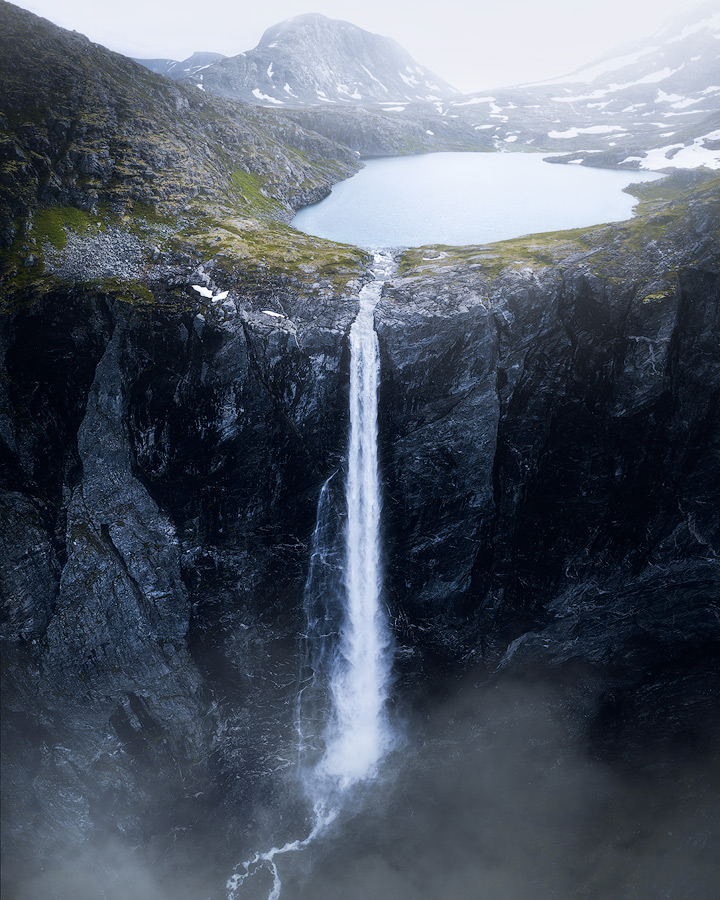
Norway boasts thousands of waterfalls, but certain ones stand out for their sheer drama and photogenic qualities. Kjosfossen, located near Flåm, cascades 225 meters down a mountainside and is one of Norway's most photographed falls. Vøringsfossen plunges 182 meters into a pristine valley, creating an awe-inspiring sight visible from multiple angles. Manafossen and Mjølkafossen in Geirangerfjord offer equally spectacular photo opportunities. These waterfalls are best visited during spring and early summer when snowmelt increases water volume, creating more dynamic and powerful imagery. Each location has unique perspectives—some are best shot from close range, while others reveal their full majesty from distance. Many photographers choose to capture these scenes as canvas prints to bring the immersive power of waterfalls into their living spaces.
Essential Photography Techniques
Photographing waterfalls requires mastering specific techniques to capture their dynamic nature. The most critical tool is a strong neutral density (ND) filter, which allows you to use slower shutter speeds in bright daylight. A 10-stop ND filter enables exposures of several seconds, creating that silky, smooth water effect that makes waterfalls appear almost ethereal. Use a tripod—absolutely essential for long exposures and sharp composition. Position yourself to incorporate surrounding landscape elements like rocks, moss, or trees, as these add context and scale to your images. Shoot in RAW format to maximize post-processing flexibility, particularly when adjusting highlights in the fast-moving water. The golden hours around sunrise and sunset offer softer light that reduces harsh shadows, though midday shooting with an ND filter can also produce stunning results.
Seasonal Variations and Best Times
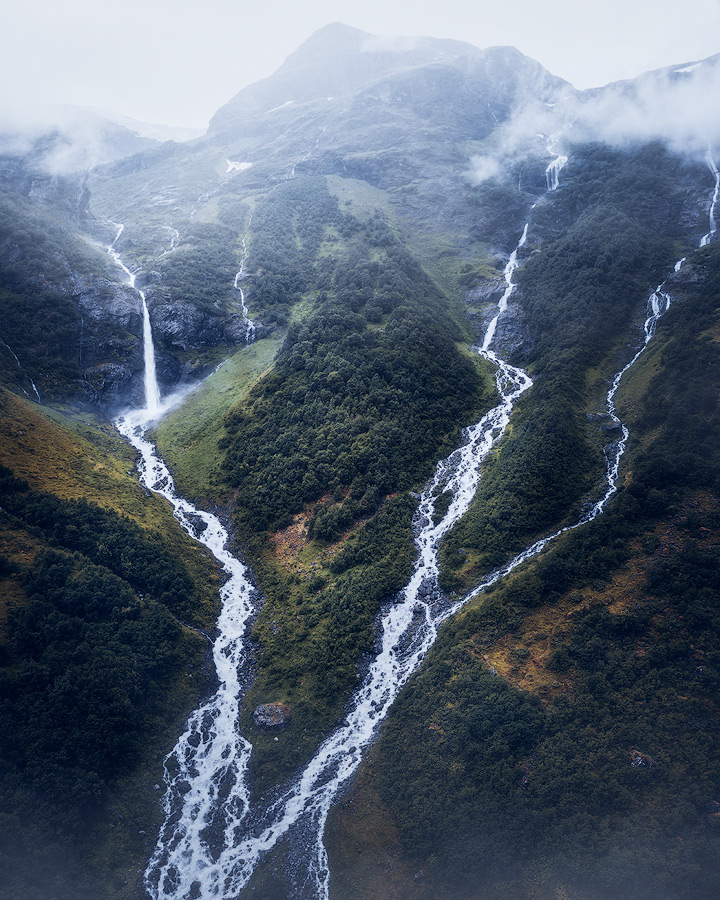
Timing dramatically affects waterfall photography in Norway. Spring (April–June) offers maximum water flow from snowmelt, creating powerful, impressive cascades—ideal for dramatic shots. Summer provides longer daylight hours and more predictable weather, though some falls may reduce in volume by August. Autumn brings moody skies, fewer tourists, and stunning foliage colors that complement waterfall scenes. Winter is challenging but rewarding; frozen or partially frozen falls create unique textures, though you'll need specialized cold-weather photography gear. Weather patterns change rapidly in Norwegian mountains, so always check forecasts and bring waterproof equipment. The Norwegian fjord prints available in our gallery capture many of these seasonal variations, showing how waterfalls transform throughout the year.
Safety and Ethical Photography
Photographing waterfalls in remote mountain locations demands respect for nature and proper safety precautions. Many falls are accessible only by hiking, so wear appropriate footwear and bring plenty of water. The ground near waterfalls becomes slippery year-round due to mist and spray; never venture onto wet rocks for the "perfect shot." Check local regulations—some areas require permits or have restricted access. Use established trails and viewpoints rather than creating new paths that damage vegetation. Respect local wildlife by keeping distance and minimizing noise. Secure your tripod firmly and never leave gear unattended, as mountain weather can shift rapidly. A aluminum print of a carefully composed waterfall shot will last far longer than a hastily captured risky image.
Post-Processing for Maximum Impact
Raw waterfall images often require thoughtful post-processing to truly shine. Begin by correcting white balance—waterfalls often appear too cool in color temperature due to mountain shadows and mist. Increase clarity and structure to emphasize texture in the flowing water while maintaining smoothness. Boost vibrance slightly to bring out greens in surrounding vegetation without oversaturating. Adjust highlights carefully to recover blown-out water areas, and deepen shadows to add dimension to rocks and landscape. Use graduated filters in your processing software to balance exposure between bright sky and darker landscape. Consider black-and-white conversions for particularly dramatic compositions, as monochrome processing emphasizes form and flow. Many photographers display their best waterfall work as Lofoten wall art or other landscape collections, as the print medium beautifully showcases the details revealed through careful processing.
Creating a Waterfall Photography Project
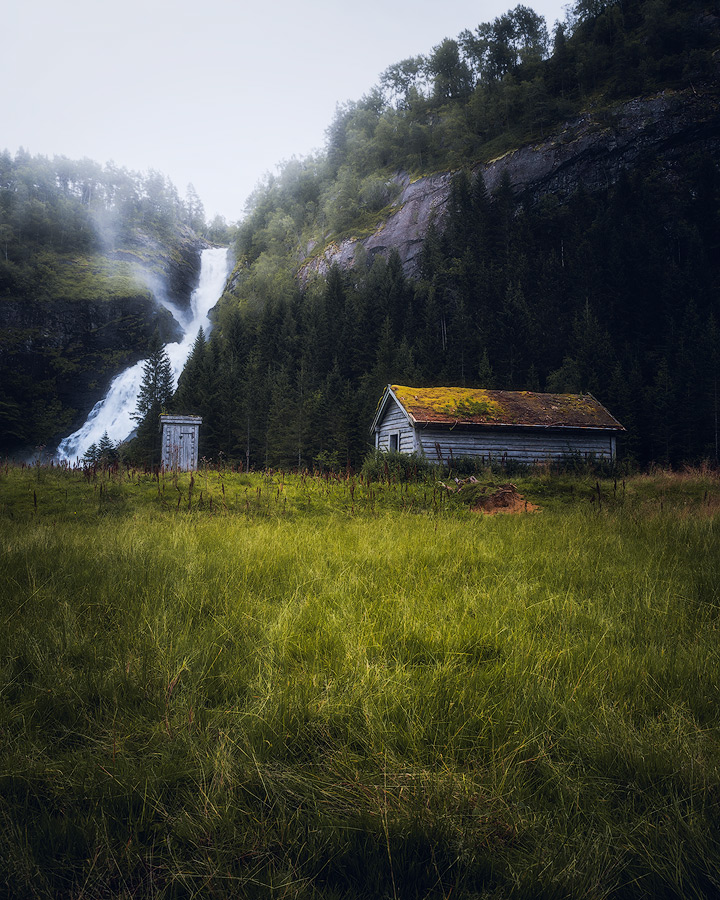
Rather than treating waterfall photography as a one-off activity, consider developing a comprehensive project documenting Norway's falls throughout the year or across different regions. This approach deepens your understanding of light, composition, and seasonal changes while building a cohesive body of work. Select 5–10 signature waterfalls and visit them repeatedly—the same location reveals entirely different character depending on season, weather, and time of day. Create a shooting plan: note sunrise/sunset times, weather patterns, and optimal months for each location. Many photographers find that their best waterfall images deserve prominence in their homes, displayed as Northern Lights prints or other premium finishes that do justice to the intricate detail and color gradations in waterfall photography.
Conclusion: Bringing Norway's Waterfalls Home
Norwegian waterfalls represent the pinnacle of Scandinavian natural beauty, offering infinite photography challenges and rewards. By mastering technique, respecting safety, and planning thoughtfully, you'll capture images that transport viewers to these magnificent locations. The best part? You don't need to limit your waterfall appreciation to digital files. Transform your favorite shots into stunning wall art—whether as Norway landscape prints in canvas, aluminum, or acrylic. Each medium brings unique characteristics: canvas offers warmth and depth, aluminum provides contemporary edge and durability, while acrylic delivers vivid color and luminosity. Start your waterfall photography journey today, and soon you'll have a personal gallery of Norway's most spectacular natural wonders adorning your home.
