
Norway has over a thousand fjords, but only one wears the crown. Sognefjord — stretching 205 kilometres from the coast deep into the mountains — is the longest and deepest fjord in the country, and by extension, in all of Europe. Its arms branch into some of the most photographed landscapes on Earth, including the narrow, towering Nærøyfjord and the dramatic Aurlandsfjord. If you are planning a photography trip to Norway or simply dreaming of bringing a piece of its wild beauty into your home, Sognefjord deserves your full attention.
What Makes Sognefjord So Special
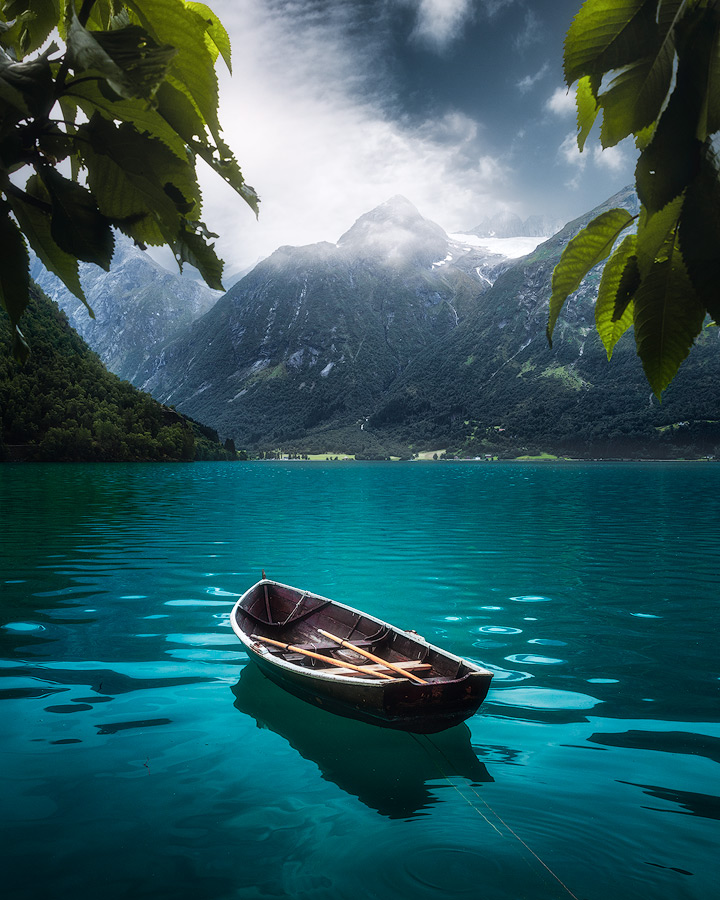
Sognefjord reaches a maximum depth of 1,308 metres, which means that parts of the fjord bottom lie below sea level. The surrounding mountains rise to over 2,000 metres, creating a total vertical relief that rivals the Grand Canyon. This sheer scale is what makes the fjord so visually overwhelming — you do not just see it, you feel it. The play of light across the water, the shadows creeping up cliff faces, and the way weather rolls through the valley all create constantly shifting compositions that photographers travel from around the world to capture.
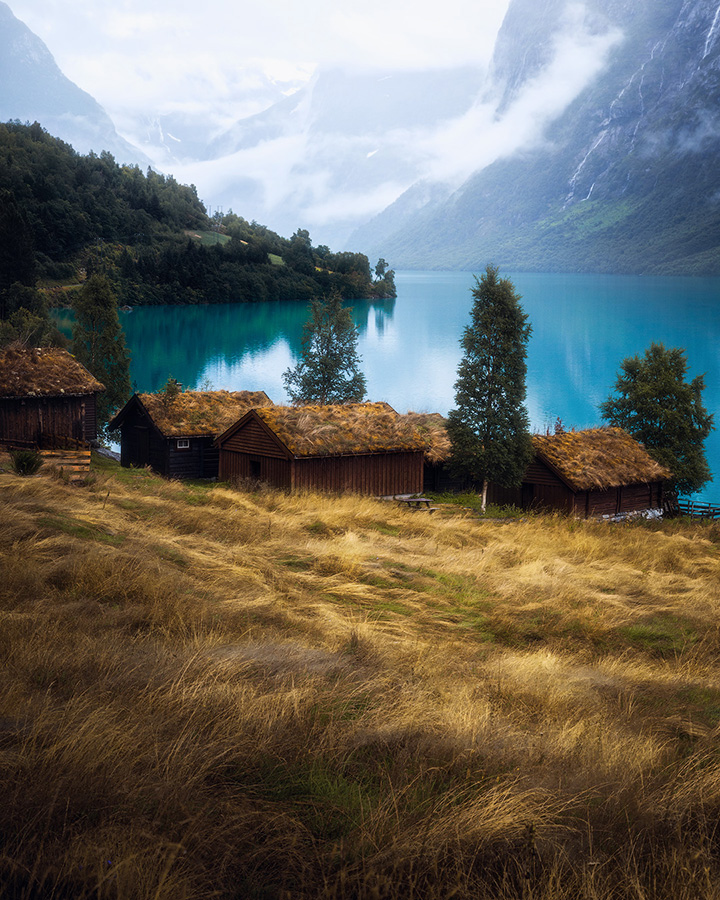
The fjord cuts through three distinct climate zones. Near the coast, the landscape is lush and green with a maritime climate. Further inland, the valleys open up into drier, almost alpine terrain. And at the innermost reaches, the mountains are high enough to hold snow well into summer. This diversity means a single trip can yield dramatically different types of imagery within a few hours of driving. Whether you are shooting wide panoramic vistas or intimate details of a wooden boathouse reflected in still water, Sognefjord delivers.
The Best Photography Spots Along Sognefjord
One of the most rewarding areas for photography is the branch fjord known as Nærøyfjord, a UNESCO World Heritage Site and one of the narrowest fjords in Europe. At its slimmest point, it is only 250 metres wide while the cliffs rise vertically for over 1,000 metres on either side. The village of Gudvangen sits at the inner end and offers classic foreground elements — old Viking-era architecture, calm water, and dramatic peaks framed perfectly for Norwegian fjord prints that look stunning on any wall.
Aurlandsfjord is another must-visit branch, home to the picturesque village of Flåm where the famous Flåmsbana railway climbs from sea level to 866 metres through steep mountain terrain. The viewpoints along the railway, particularly at Kjosfossen waterfall, are ideal for capturing the raw power of Norwegian nature. Further along, the village of Undredal — with just a hundred residents and a famous brown goat cheese — offers a quieter, more intimate take on fjord life. These small communities provide perfect subjects if you want to add a human element to your landscape work.
For elevated perspectives, drive the Aurlandsfjord to Nærøyfjord via the Stegastein viewpoint, a platform extending 30 metres out over the fjord edge. The panoramic view from here is breathtaking and one of the most iconic shots of the Sognefjord region. If you are looking for that signature fjord-from-abgether image, this is the spot. The resulting compositions translate beautifully into large-format canvas prints that bring depth and grandeur into a living room or office space.
When to Visit and What to Expect
Each season along Sognefjord offers something distinct. Summer brings the midnight sun, long golden hours, and the lushest green vegetation — ideal for vibrant, warm-toned images. The light at 10 or 11 PM in June is extraordinary, casting long shadows and wrapping the landscape in a glow that feels almost unreal. Autumn transforms the birch and rowan trees along the fjord into gold and red, creating striking colour contrasts against dark mountain walls and slate-grey water.
Winter is quieter and more dramatic. Snow blankets the peaks, waterfalls freeze into ice columns, and the low angle of the sun means you get golden-hour quality light for several hours. If you are lucky, the Northern Lights may dance above the fjord — a sight that is almost impossible to describe but unforgettable to witness. For anyone who collects Northern Lights prints, capturing the aurora over Sognefjord is a bucket-list experience. Spring is the shoulder season — waterfalls are at their most powerful from snowmelt, wildflowers begin to bloom, and the crowds have not yet arrived.
Bringing Sognefjord Home: Wall Art Inspiration
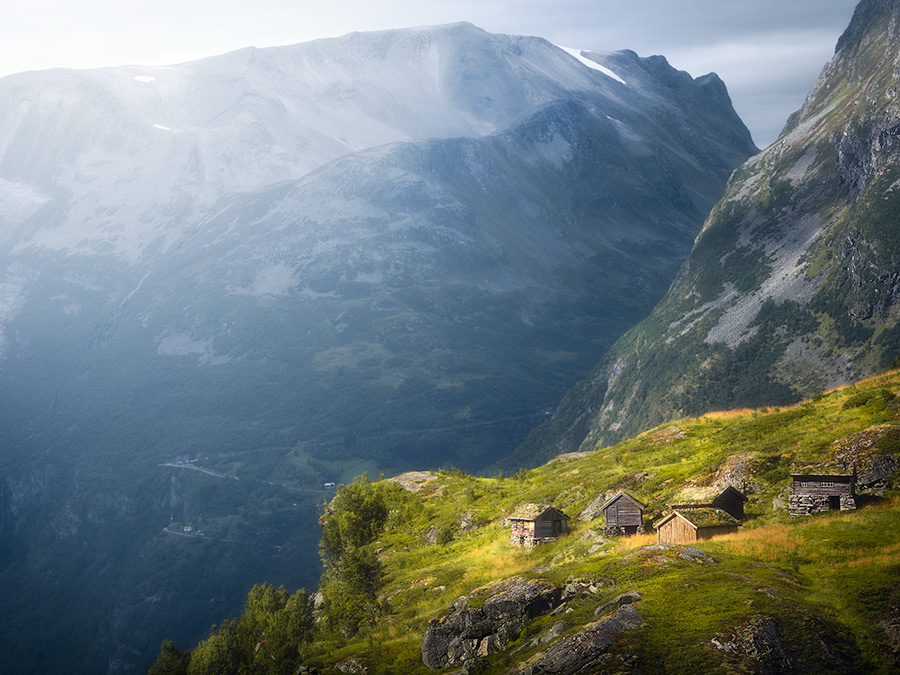
There is something deeply satisfying about living with a fine art print of Sognefjord on your wall. The combination of water, mountains, and sky creates a sense of calm and space that works in almost any interior. A large panoramic print above a sofa or bed can transform a room, making it feel larger and more connected to the natural world. For a more modern, minimalist look, aluminum prints offer a sleek, glossy finish that makes colours pop and details razor-sharp — particularly effective for winter scenes with snow and ice.
If your interior leans towards coastal or Scandinavian styles, Lofoten wall art pairs beautifully with Sognefjord imagery — the two regions share that clean, dramatic aesthetic that defines Norwegian landscape photography. And for a curated mix that spans the whole country, browse the full Norway landscape prints collection to find the perfect combination for your space.
Practical Tips for Your Sognefjord Trip
Getting to Sognefjord is half the adventure. The fastest route from Oslo is the train to Myrdal on the Bergen Line, then the Flåmsbana railway down to Flåm — widely considered one of the most beautiful train journeys in the world. Alternatively, you can drive from Bergen in about three hours via the E16, crossing the dramatic Sognefjellet mountain road if you are coming from the north. Car ferries connect the main villages along the fjord and are an experience in themselves, offering constantly changing views from the water.
For photographers, a wide-angle lens is essential for the grand landscapes, but do not neglect a telephoto — it is invaluable for compressing the layers of mountains and isolating details like waterfalls or remote farms. Bring a tripod for low-light and long-exposure work, especially if you plan to shoot reflections in the calm morning water. Weather changes fast on the fjord, so pack rain gear for both yourself and your camera. And most importantly, give yourself time. Sognefjord is not a place to rush through — it rewards patience and presence.
Conclusion
Sognefjord is more than a destination — it is an experience of scale, light, and natural power that stays with you long after you leave. Whether you are standing on the Stegastein platform watching clouds roll through the valley, kayaking on the mirror-calm waters of Nærøyfjord at midnight, or simply admiring a fine art print on your living room wall, the King of Fjords has a way of putting everything into perspective. Plan your trip, bring your camera, and let Norway's greatest fjord inspire you.
Ready to bring the majesty of Sognefjord into your home? Explore our full collection of Norway landscape prints and find the perfect piece for your space today.
