
Winter transforms Norway into one of the world's most magical landscape photography destinations. Frozen waterfalls, snow-covered mountains, and the opportunity to capture the Northern Lights create a photographer's paradise—but only if you know where to go and how to prepare.
Whether you're planning a winter photography adventure or dreaming of bringing Norway's winter beauty into your home through Northern Lights prints, this guide covers everything you need to know.
Why Winter is Peak Season for Norway Photography

Winter in Norway isn't just beautiful—it's transformative. The combination of extreme daylight changes, snow-covered landscapes, and frequent Aurora activity creates conditions found nowhere else on Earth.
From November through February, Norway experiences either polar twilight or complete darkness at high latitudes, yet this "darkness" comes with the brightest stars and most active Northern Lights displays. At the same time, southern Norway experiences extended blue-hour lighting that photographers dream about.
The snow itself is a game-changer. It reflects light differently than other landscapes, creating natural fill light and making even ordinary terrain dramatic. Snow also reveals subtle terrain details invisible in summer.
Best Winter Photography Destinations in Norway
Not all of Norway is equally good for winter photography. Here are the top destinations:
Lofoten Islands
The Lofoten Islands are the undisputed king of winter photography in Norway. Dramatic peaks surrounded by ocean, traditional fishing villages with red cabins, and some of the planet's most reliable Northern Lights viewing combine to create magic hour after hour.
December through February offers the longest Aurora nights, while the dramatic light at midday (even though the sun barely rises) creates moody, atmospheric images. Our collection of Lofoten wall art captures these islands' otherworldly beauty.
North Cape Region
For serious Aurora chasers, the far north around Honningsvåg offers some of the best Northern Lights activity in the world. The landscape is more austere—tundra rather than dramatic peaks—but this minimalist environment makes Aurora photographs incredibly powerful.
Tromsø
Often called the "Gateway to the Arctic," Tromsø balances accessibility with incredible photography opportunities. The surrounding fjords, mountains, and islands offer diverse subjects, and the town's infrastructure supports photographers of all levels.
Svalbard
For true Arctic extremes, Svalbard offers unique photography opportunities, though extreme cold and weather require serious preparation.
Essential Gear for Winter Photography in Norway
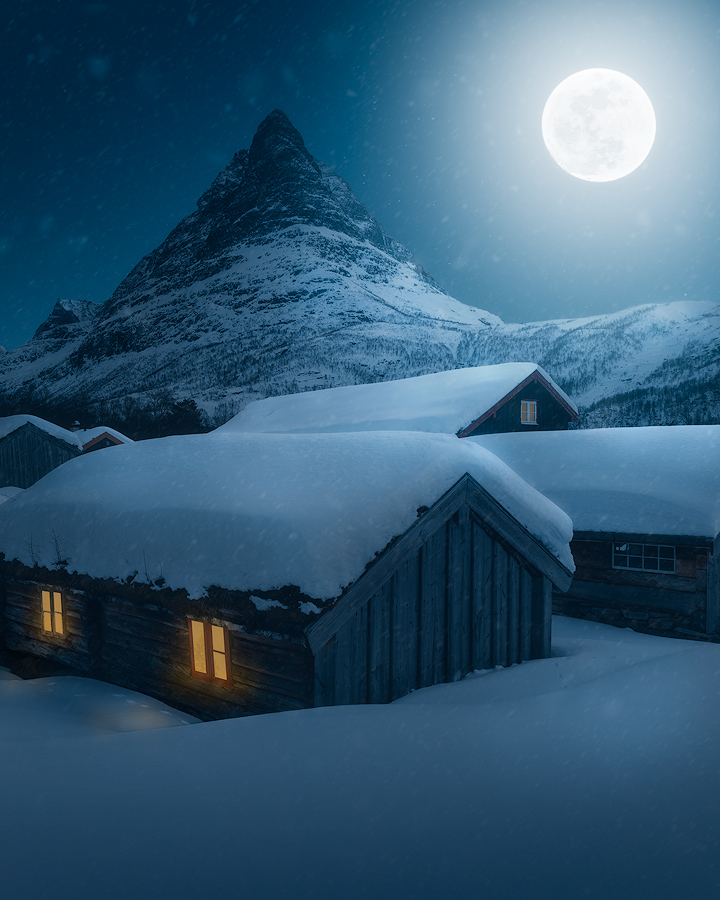
Winter photography demands specialized equipment:
- Camera body: Full-frame cameras perform better in low light and cold. Mirrorless bodies are increasingly preferred for their superior autofocus in darkness.
- Lenses: Fast, wide-angle lenses (14-24mm f/2.8) are essential for Aurora work. A 70-200mm f/2.8 is useful for compressed landscape shots.
- Tripod: A sturdy tripod is non-negotiable. Carbon fiber is lighter and handles cold better than aluminum.
- Batteries: Cold drains batteries rapidly. Bring 3-4 extra batteries and keep them in inside pockets.
- Filters: A quality neutral density filter extends exposure times for water/snow effects.
- Hand warmers: Chemical hand warmers for batteries and hands are essential.
Winter Photography Techniques for Maximum Impact
Technical preparation is just the start. Here are proven techniques for creating compelling winter photographs:
Expose for the Highlights
Snow is bright—your camera's meter will underexpose if you trust it. Meter the sky, then add 1-2 stops of exposure compensation. Check your histogram, not your LCD screen (which looks brighter in darkness anyway).
Layer Your Composition
Winter landscapes benefit from strong foreground, middle ground, and background elements. Look for snow-covered rocks, frozen vegetation, or structures in the foreground to anchor your composition. This is why canvas prints of winter landscapes work so well—the depth draws viewers into the image.
Timing is Everything
Blue hour in winter lasts longer than in summer because the sun doesn't fully set. Start shooting 90 minutes before twilight officially ends and continue for 2-3 hours after. This extended magical light is one of winter's greatest gifts to photographers.
Use Long Exposures Creatively
Even during twilight, long exposures (15-30 seconds) create ethereal snow and water effects. This technique is especially powerful when combined with light pollution or artificial light from towns.
Capturing the Northern Lights: Settings and Patience
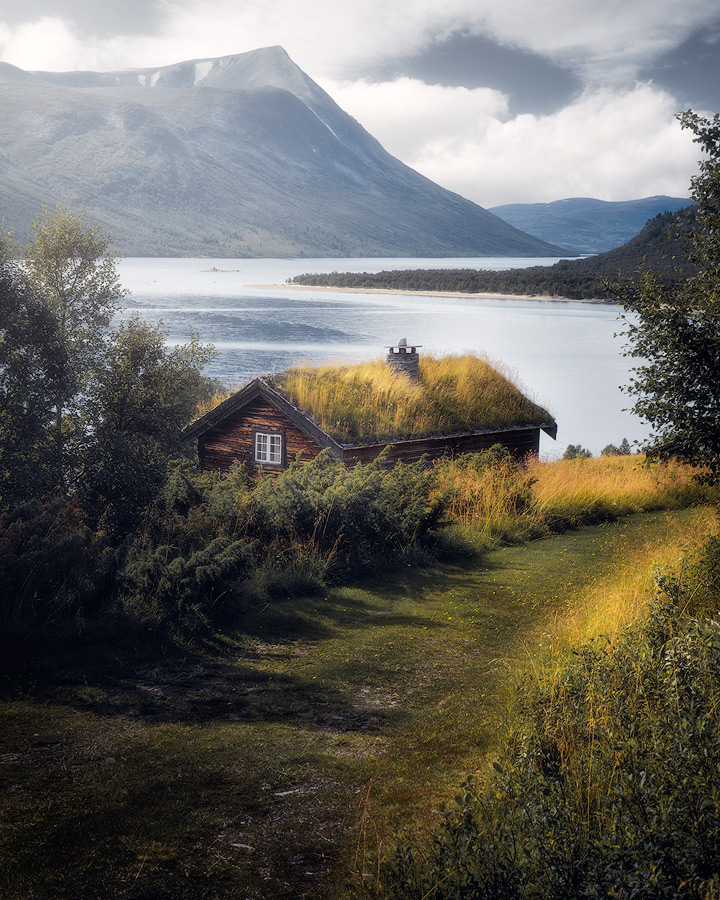
The Aurora is the prize of winter photography in Norway. Success requires:
Camera Settings: ISO 1600-3200, aperture f/2.8 or wider, shutter speed 15-25 seconds, manual focus set at infinity. Use a remote trigger to avoid camera shake.
Composition: Include landscape in the lower third for context. A silhouetted cabin, snowy peak, or frozen lake makes the Aurora story more compelling. This is why our Northern Lights prints are so effective—they ground the Aurora in place.
Patience: The Aurora is unpredictable. Plan 4-5 night shoots per week, with several nights available as backup. Clear skies, low solar interference, and Aurora activity don't always align.
Planning Your Winter Photography Trip to Norway
Successful winter photography in Norway requires planning:
- Timing: December through February offers the longest Aurora nights. January is often considered peak season.
- Duration: Plan at least 5-7 days to account for weather and Aurora variability.
- Location: Choose one region and explore deeply rather than touring multiple areas. The Lofoten Islands alone offer weeks of photography.
- Weather: Check forecasts obsessively. A weather window of clear skies might be just one night.
- Safety: Inform someone of your location. Carry emergency supplies. Never photograph alone in remote areas.
Bringing Winter Norway Home: Wall Art Solutions
If a winter photography trip to Norway isn't in your immediate plans, aluminum prints of winter landscapes bring the experience directly into your space.
Winter photography prints work especially well in modern minimalist interiors, where a single dramatic image commands the entire room. The high contrast between snow and sky, or between dark peaks and Aurora, creates visual impact without competing with other décor.
Conclusion: Winter Norway Awaits
Winter landscape photography in Norway isn't easy. The cold is real, the weather is unpredictable, and the darkness takes psychological adjustment. But the rewards are unmatched: landscapes and skies that exist nowhere else, photographs that tell stories of Earth's raw beauty, and memories of moments when you stood under the dancing Aurora.
Whether you're planning a winter photography expedition or looking for inspiration, explore our complete collection of Norwegian fjord prints and winter landscape art. Each image tells the story of Norway's winter magic.
Ready to experience winter photography in Norway? Start planning your trip today, or bring Norway's winter beauty into your home with our fine art prints.
